
A Peek Inside the Factory: The 8-Step Manufacturing Process of Handmade Rigid Boxes
Article Navigation
- Why Handmade Rigid Boxes Still Matter in 2026
- Step 1: Structural Design & Engineering
- Step 2: Greyboard Cutting Precision
- Step 3: V-Grooving for Sharp Edges
- Step 4: Printing & Surface Artistry
- Step 5: The Masterful Manual Wrapping Process
- Step 6: Box Forming & Structural Alignment
- Step 7: Bespoke Inserts & Interior Finishes
- Step 8: 100% Manual Quality Inspection
- Handmade vs. Automated: Choosing Your Path
- Conclusion: Finding the Right Manufacturing Partner
Introduction: Why Handmade Rigid Boxes Still Matter in 2026
In an era dominated by high-speed automation, luxury brands in 2026 are increasingly returning to the roots of craftsmanship. While machines can churn out thousands of units per hour, they often struggle with the subtle nuances that define a truly "high-end" experience. For sectors like high-end audio, fine spirits, and luxury cosmetics, a handmade rigid box isn't just a container; it's the first physical touchpoint of the brand’s story.
At DHP Factory, we believe that certain details—like the perfect tension of a wrap or the sharp 90-degree corner of a book-style box—require the human touch. This manual control ensures that every box is free from the micro-flaws that automated lines often overlook.
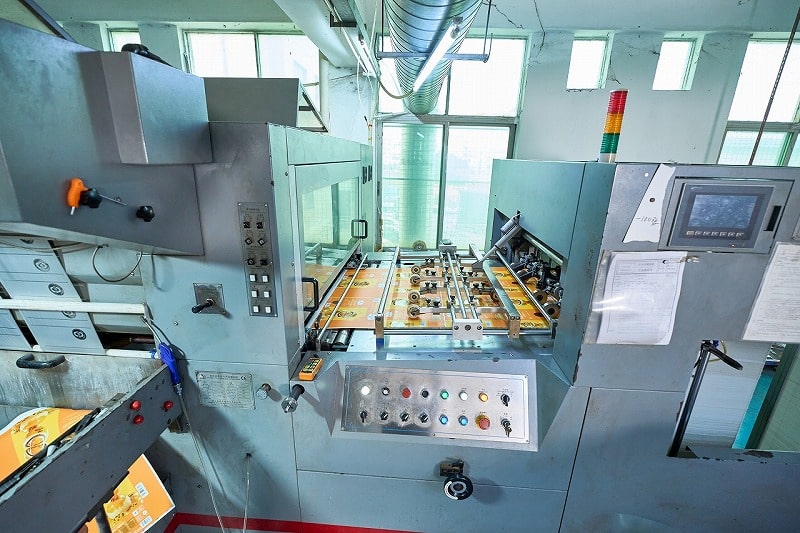
Step 1: Structural Design & Engineering
Before a single piece of board is cut, the "blueprint" must be flawless. Structural engineering in handmade packaging involves more than just dimensions; it’s about calculating the tolerances for manual assembly. This stage includes creating precise dielines and physical prototypes to ensure that the lid slides with that satisfying "vacuum" feel.
Step 2: Greyboard Cutting
The skeleton of any rigid box is the greyboard. We typically utilize 2.0mm high-density board (or the premium blue cardboard for added rigidity). Precision cutting here is vital; even a 0.5mm deviation can cause the final box to look skewed after wrapping.
Step 3: V-Grooving for Perfect Edges
To achieve those crisp, sharp corners that signify luxury, we employ V-grooving technology. By carving a precise "V" shape into the board at the fold lines, we allow the board to bend at a perfect 90-degree angle. This eliminates the rounded edges seen in cheaper packaging and creates a structural "premiumness" that is felt immediately upon touch.
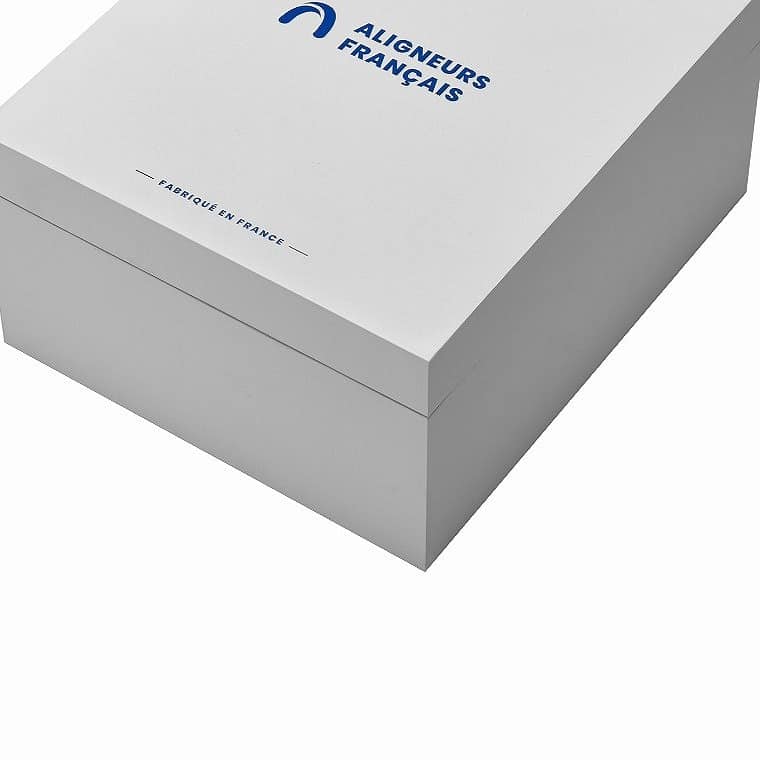
Step 4: Printing & Surface Finishing
This is where the visual identity takes shape. Whether it is a deep matte lamination, spot UV, or intricate hot stamping, the surface paper is treated with the highest care. For 2026, we see a heavy trend in holographic paper and eco-friendly aqueous coatings that enhance durability without compromising sustainability.
Step 5: The Masterful Manual Wrapping Process
This is the soul of the handmade rigid box. While automatic wrapping machines are fast, they are prone to leaving tiny air bubbles or uneven tension at the corners. Our skilled artisans manually align the glued wrap paper to the board, using specialized tools to "tuck" the corners with surgical precision. This ensures a seamless finish that machines simply cannot replicate on complex shapes.
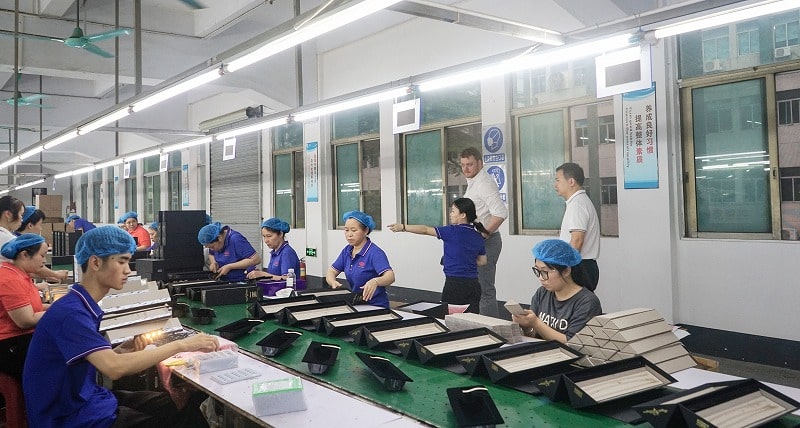
Step 6: Box Forming & Assembly
Once wrapped, the individual components—lids, bases, or magnetic flaps—are assembled. This stage is critical for collapsible rigid boxes and magnetic closures, where the alignment of magnets must be tested to ensure a consistent "click" every time.
Step 7: Bespoke Inserts & Interior Finishes
The interior must be as beautiful as the exterior. We offer a variety of custom inserts, from eco-friendly molded pulp to high-density EVA foam lined with silk. The goal is to cradle the product securely while enhancing the overall unboxing aesthetics.
Step 8: 100% Manual Quality Inspection
Unlike factories that rely on spot checks, DHP Factory implements a 100% manual inspection protocol. Every single box is examined for:
- Surface Integrity: Checking for scratches, glue marks, or ink discrepancies.
- Dimensional Accuracy: Ensuring the fit is consistent across the entire batch.
- Functional Testing: Opening and closing the box multiple times to ensure the magnetic or friction fit remains perfect.
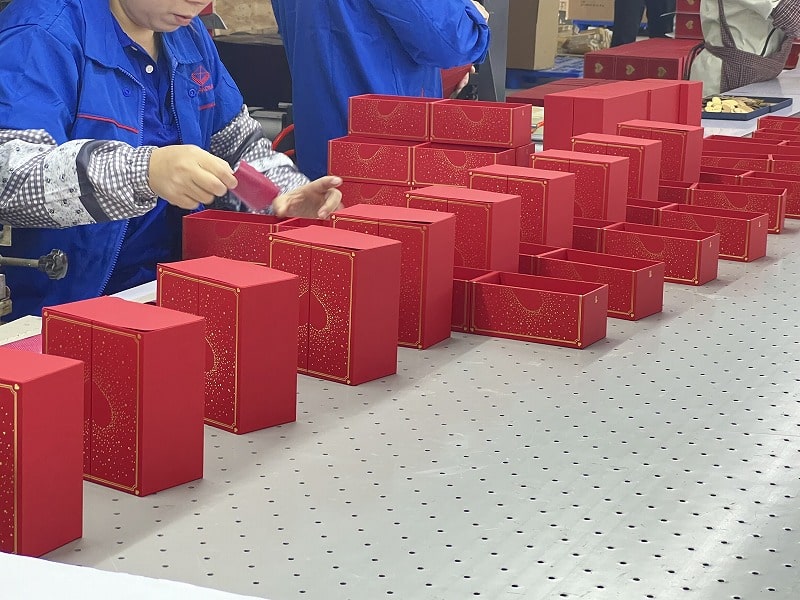
Handmade vs. Automated: What Brands Should Know
Automation is excellent for high-volume, low-margin products. However, for luxury custom packaging, the "handmade" approach offers flexibility in material choice (such as textured specialty papers that machines often tear) and superior quality control for smaller, premium production runs.
Conclusion: Choosing the Right Rigid Box Manufacturer
Selecting a partner like DHP Factory means choosing a legacy of craftsmanship. When evaluating a supplier, look beyond the price per unit—evaluate their QC process, their material sourcing (FSC and RoHS) and their ability to handle complex manual wraps. Your packaging is an investment in your brand’s equity.
Ready to Elevate Your Brand with Handmade Excellence?
Whether you are designing a new cosmetic line or a limited edition spirit box, DHP Factory provides the technical expertise and artisan touch your brand deserves.
Request a Custom Quote Today