A comprehensive technical guide for global food brands on maintaining structural integrity, food safety, and brand excellence through rigorous thermal testing.
1. Why Temperature Testing Matters in Modern Logistics
In the globalized food supply chain, a "Custom Food Packaging Box" is more than just a container; it is a high-performance shield. From the moment a product leaves a manufacturing facility to its final arrival at a consumer's doorstep, it may face a thermal roller coaster. Temperature fluctuations are the primary cause of packaging failure, leading to billions of dollars in product waste annually.
In high-heat scenarios—such as summer logistics in tropical regions or specialized food delivery bags—temperatures can easily soar above 70°C (158°F). Conversely, deep-freeze cold chains require packaging to remain flexible at -20°C (-4°F) or lower. Without rigorous testing, packaging can lose its structural integrity, causing leaks, contamination, or a "cheapened" brand image that drives customers away.
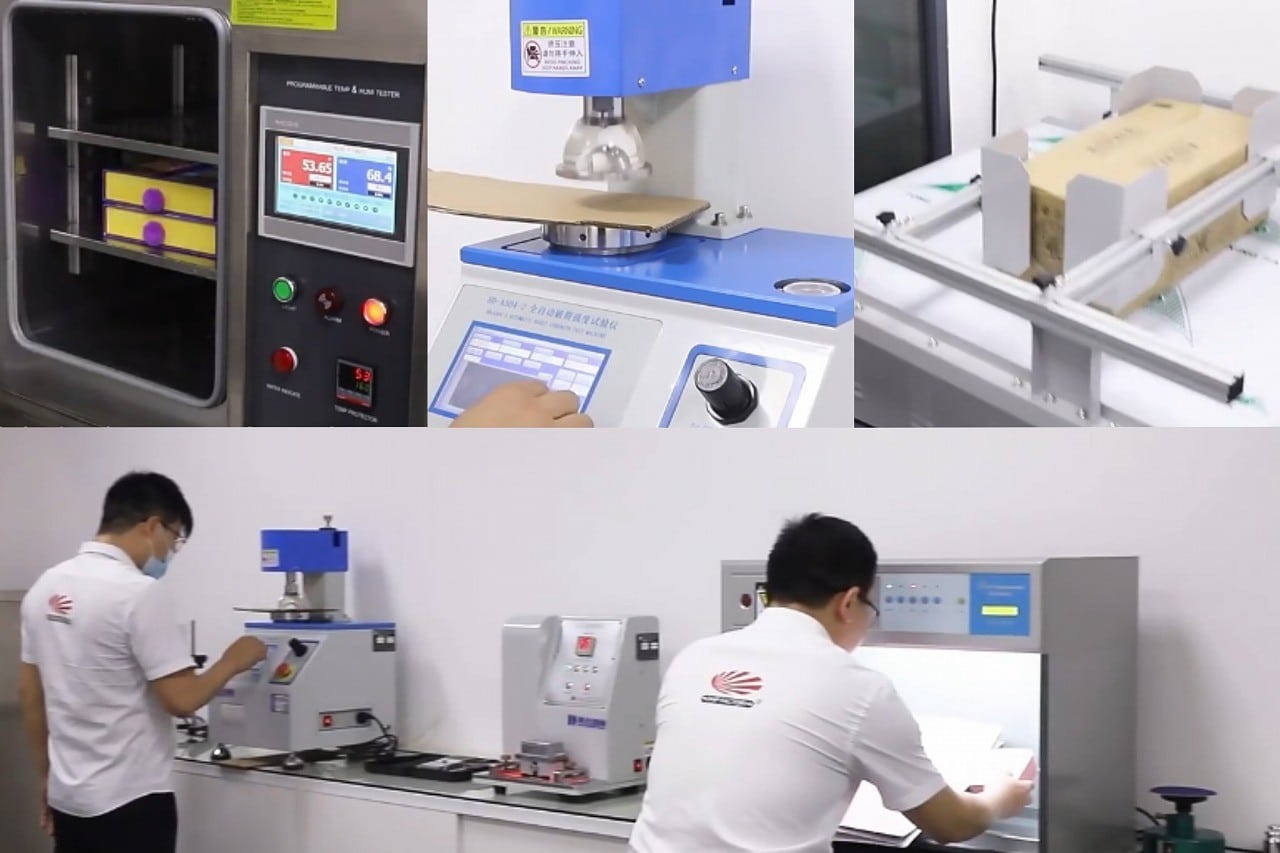 About the Hot and cold Testing Laboratory
2. Real Industry Insights & Global Standards
To ensure consistency across international borders, DHP Factory and other leading manufacturers adhere to recognized standards. These aren't just suggestions—they are the blueprints for safety. And not only for the custom food packaging boxes, for all packaging.
- ISO 2233: This standard specifies the conditioning of packages and unit loads for testing, simulating various climates from "Tropical" to "Frozen."
- ASTM D4332: A standard practice for conditioning containers or packaging components to mimic extreme distribution environments.
- Cold Chain Validation: Critical for perishable goods, ensuring the internal temperature remains stable despite external spikes.
- Thermal Insulation Performance: Validating how effectively materials like corrugated board or specialty coatings resist heat transfer.
3. Key Hot & Cold Test Methods Explained
We utilize a multi-layered testing approach to simulate the lifecycle of a packaging box:
Heat Resistance Testing
Focused on adhesive stability and lamination. We test if coatings bubble or if glues lose their bonding strength when exposed to prolonged heat, ensuring the box doesn't fall apart during hot food transit.
Cold Resistance Testing
Crucial for frozen food. We monitor the "brittleness point." Standard paper and plastics can become fragile in the cold, leading to cracks during handling. We ensure the material retains impact resistance.
The "Thermal Shock" Test: Perhaps the most rigorous, this involves rapidly moving a package from a cold environment to a hot one. This simulates the transition from a refrigerated truck to a humid loading dock, testing the box's ability to handle rapid expansion and contraction.
4. Material Behavior Under Thermal Stress
Choosing the right material combination is a balance of physics and economics. Here is how common materials react:
| Material | Reaction to Heat | Reaction to Cold |
|---|---|---|
| Kraft Paperboard | Loss of rigidity if humidity is high. | Maintains strength but can absorb moisture upon thawing. |
| PE/PLA Coatings | Provides excellent moisture barrier up to 80°C. | May become brittle if the "glass transition" temp is reached. |
| Specialty Adhesives | Can soften, leading to "joint failure." | Crystallization may cause glue to pop off. |
5. How DHP Factory Ensures Packaging Reliability
At DHP Factory, we believe that quality is engineered, not just inspected. Our manufacturing process for every "Custom Food Packaging Box" includes a Zero-Failure Protocol.
Before mass production begins, our technical team conducts pre-production sampling. We place these samples in our in-house environmental chambers to verify:
- Vertical Compression Strength
- Edge Crush Test (ECT)
- Adhesion Peel Strength
- Vibration Resilience
- Color Fastness (Heat)
- Moisture Vapor Transmission
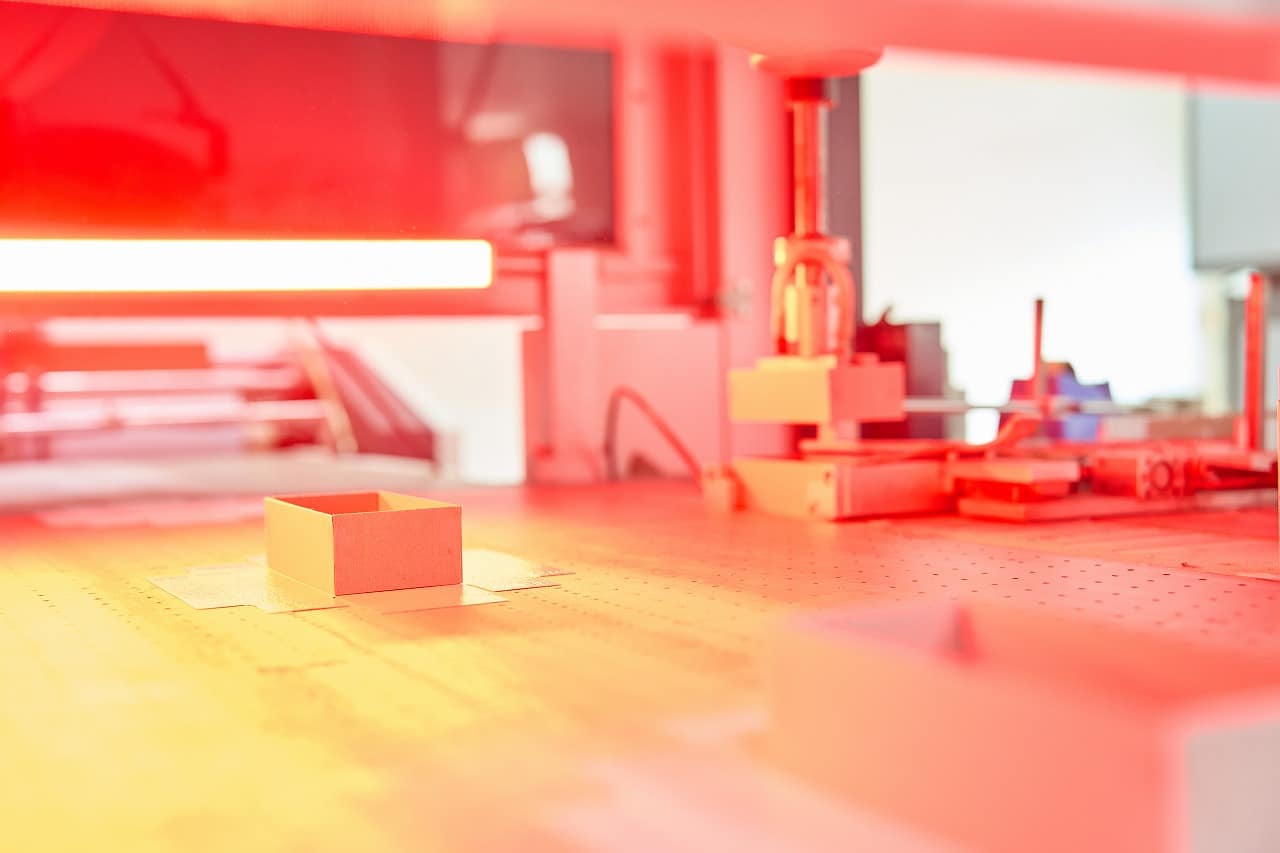 automated packaging box machine
6. Choosing the Right Partner: A B2B Checklist
If you are a procurement manager or brand owner, don't settle for a supplier that only offers "manufacturing capacity." Demand technical proof. Use this checklist during your next RFQ:
- Testing Equipment: Does the factory own high/low temperature humidity chambers?
- Reporting: Can they provide a 3rd-party or in-house test report for thermal stability?
- Prototyping: Is temperature validation included in the sampling phase?
- Experience: Have they worked with global cold-chain or hot-delivery brands?