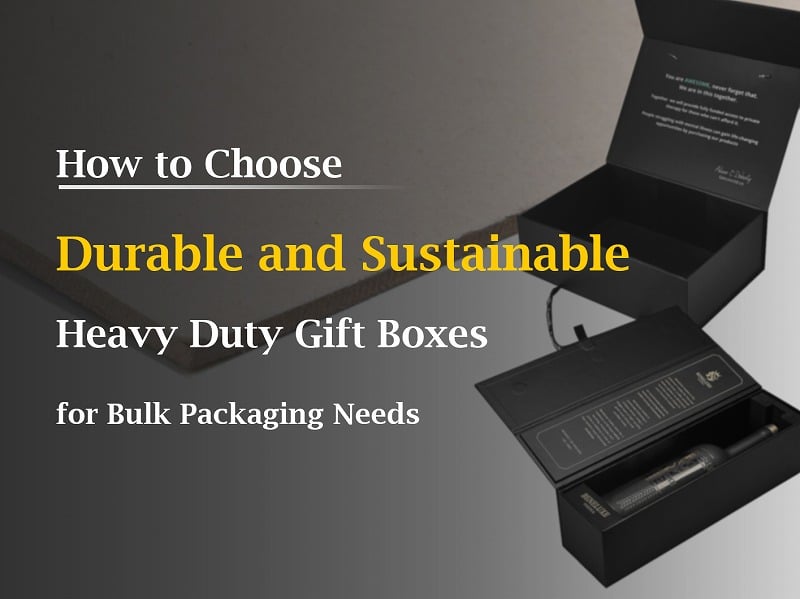
In the competitive landscape of 2026, selecting the ideal heavy duty gift box for bulk packaging has evolved into a strategic business decision. For B2B buyers, it is no longer a simple choice between strength and price. Modern procurement requires a multi-dimensional evaluation of structural durability, environmental sustainability, logistics optimization, and brand storytelling.
As global supply chains face increasing scrutiny regarding carbon footprints and waste management, "heavy duty" must now imply long-term value rather than just material thickness. Based on extensive cross-sector research, this guide synthesizes professional insights into a practical framework for sourcing high-performance, eco-conscious rigid packaging at scale.
Top Industry Insights from 5 Authoritative Sources
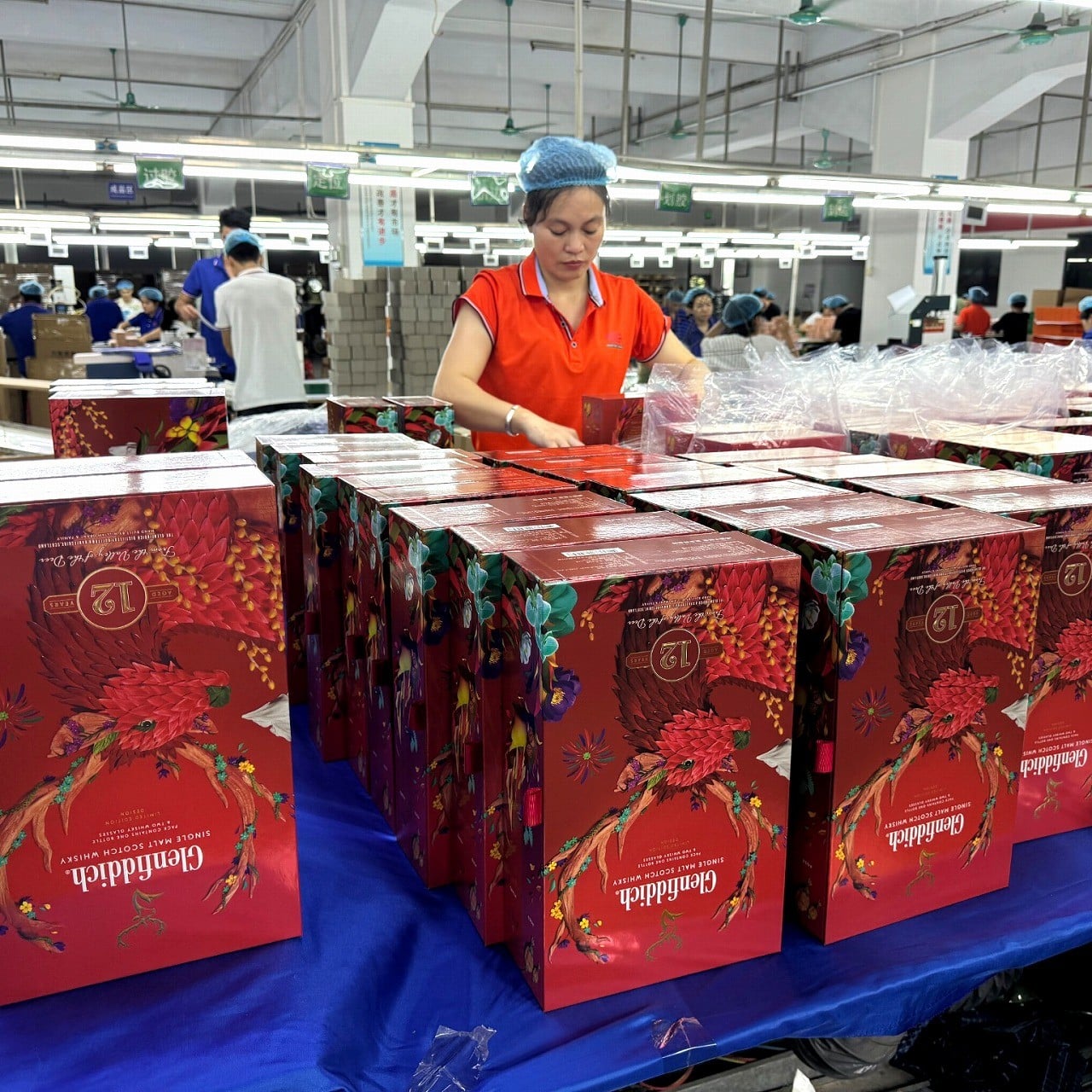
To provide a comprehensive view of the current market, we have analyzed data from five leading packaging authorities. Their findings consistently underscore that the future of premium packaging lies in material innovation and simplified recycling streams.
- Gifts-Pack: Their guide on FSC and recycling emphasizes that "premium" and "green" are not mutually exclusive. They argue that by simplifying the material mix, brands can achieve 100% recyclability without losing the high-end tactile feel.
- Luxury Rigid Box: Focuses on the chemical aspect of sustainability, highlighting that eco-safe, soy-based inks and recycled rigid boards are now the industry standard for maintaining high-contrast, luxury branding.
- Winpack Printing: Provides a critical material comparison, noting that FSC-certified fibers and molded pulp inserts are significantly outperforming traditional plastic-based alternatives in both impact resistance and consumer preference.
- Epack Factory: Explains the "Three-Layer Logic" of rigid box performance. They demonstrate that the synergy between the core greyboard, the wrapping paper, and the internal structural inserts determines the box's true weight-bearing capacity.
- Verrepack: Takes a lifecycle approach, concluding that true sustainability is only achieved when end-of-life planning (easy disassembly for the consumer) is integrated into the initial design phase.
What Defines a Heavy Duty Gift Box: The Technical Edge
From an engineering perspective, a heavy duty gift box is defined by its ability to maintain "structural integrity" under vertical pressure and lateral impact. Unlike standard folding cartons (FBB or SBS), rigid boxes—often called set-up boxes—use a high-density non-bending board that stays erect regardless of the content's weight.
When evaluating suppliers for bulk needs, B2B buyers should look for these specific indicators:
- Board Caliper/Thickness: Typically ranging from 1.5mm to 3.0mm. For electronics or heavy cosmetics, a 2.0mm+ board is standard.
- High-Density Greyboard: The core should be made from compressed recycled fibers, offering superior resistance to warping and corner crushing.
- Reinforced Structural Joins: Professional manufacturers use high-tensile adhesives and precise V-slotting techniques to ensure corners remain sharp and stable during stacking.

Sustainable Materials That Actually Work
Sustainability in 2026 is no longer a "nice-to-have" marketing buzzword; it is a regulatory necessity. However, for a heavy duty gift box, the material must also perform. Industry veterans recommend the following eco-conscious components:
- Post-Consumer Waste (PCW) Greyboard: Utilizing up to 100% recycled content for the structural core without losing rigidity.
- Molded Pulp Inserts: A sustainable alternative to EVA foam or plastic blisters, providing excellent shock absorption for fragile items.
- Water-Based Coatings: Replacing traditional plastic laminations with aqueous coatings to ensure the entire box remains biodegradable.
- Alternative Fibers: Exploring bamboo, hemp, or sugarcane waste (bagasse) for the outer wrap to reduce reliance on virgin wood pulp.
Balancing Durability and Sustainability
A frequent misconception in procurement is that increasing durability requires adding more "non-green" materials. In fact, durability is a form of sustainability. A box that survives the logistics chain without damage prevents product returns—saving the immense carbon cost of reverse logistics.
Modern design achieves this balance through:
1. Material Efficiency: Using high-strength 2.5mm board instead of multiple layers of thinner material reduces total weight while maintaining protection.
2. Reusability: Creating a box so durable and aesthetically pleasing that the end-user repurposes it as a storage container, effectively extending its lifecycle.
Bulk Packaging Considerations for B2B Buyers
Buying in volume introduces unique challenges that go beyond the individual box design. For wholesale rigid box orders, buyers must focus on:
- Total Cost of Ownership (TCO): Does the higher quality of a heavy-duty box reduce your insurance premiums and product damage rates?
- Logistics Optimization: Can the manufacturer offer collapsible rigid boxes? These provide the strength of a rigid box but ship flat, reducing ocean freight costs by up to 70%.
- Scaling Consistency: Ensuring that the 1,000th box is identical in strength and color to the 1st box is critical for brand reputation.
Why Work with a Professional Manufacturer
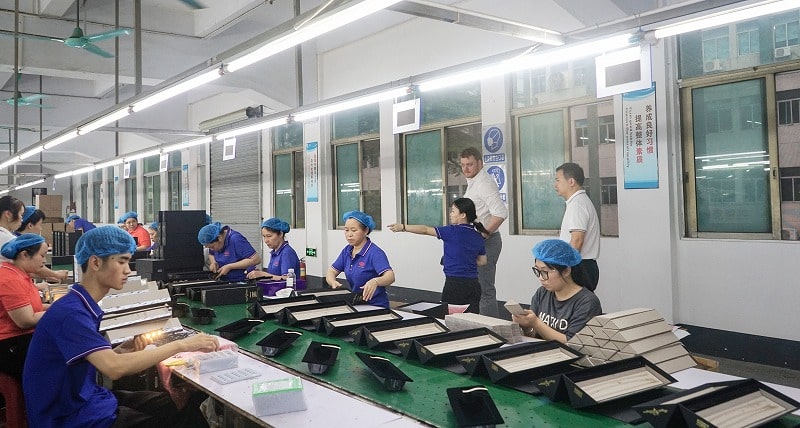
The gap between a "standard box" and a "heavy duty solution" is bridged by manufacturing expertise. As a specialized factory, DHP Factory understands the nuances of high-volume production for the global market.
By partnering with an experienced manufacturer, you gain access to:
- Custom Structural Engineering
- FSC-Certified Supply Chains
- Advanced Finishing
- Drop test
For businesses ready to elevate their brand with reliable, eco-conscious packaging, explore our custom rigid packaging solutions or contact our specialists for a tailored bulk quote.
Final Thoughts
The search for the perfect heavy duty gift box ends at the intersection of performance and responsibility. By focusing on high-grade recycled materials, technical specs like board caliper, and logistics-friendly designs, B2B buyers can secure packaging that protects their products, their brand image, and the planet simultaneously.