Lower packaging cost does not mean using cheap packaging. Smart packaging optimization can reduce cost while improving product presentation, shipping efficiency, and brand value. This guide explains practical strategies used by professional packaging manufacturers to reduce custom packaging costs without compromising quality.
Quick Navigation
- Why Packaging Costs Are Higher Than Expected
- 1. Optimize Packaging Size
- 2. Choose Cost-Effective Materials
- 3. Use CMYK Printing Instead of Spot Colors
- 4. Select Box Styles Suitable for Automation
- 5. Order Samples Before Mass Production
- 6. Optimize Shipping Methods
- 7. Work With a Reliable Packaging Manufacturer
- Final Thoughts
Why Packaging Costs Are Higher Than Expected
Many companies believe packaging cost only comes from materials. In reality, packaging cost includes material, printing, labor, structure complexity, shipping volume, and production efficiency. A poorly designed box may look premium, but it can increase shipping costs, production time, and material waste.
The goal of cost reduction is not to downgrade packaging quality, but to optimize structure, materials, printing methods, and logistics.
1. Optimize Packaging Size
Packaging size has a direct impact on material usage and shipping costs. Many packaging boxes are larger than necessary, which increases paper usage and shipping volume weight. In international shipping, carriers often charge based on volumetric weight instead of actual weight. This means oversized packaging literally makes you pay for empty space.
Proper packaging size optimization can:
- Reduce paper and cardboard usage
- Lower shipping carton size
- Decrease container loading cost
- Reduce void fill materials
A well-fitted packaging structure can significantly reduce overall packaging expenses without changing packaging appearance or quality.
2. Choose Cost-Effective and Durable Materials
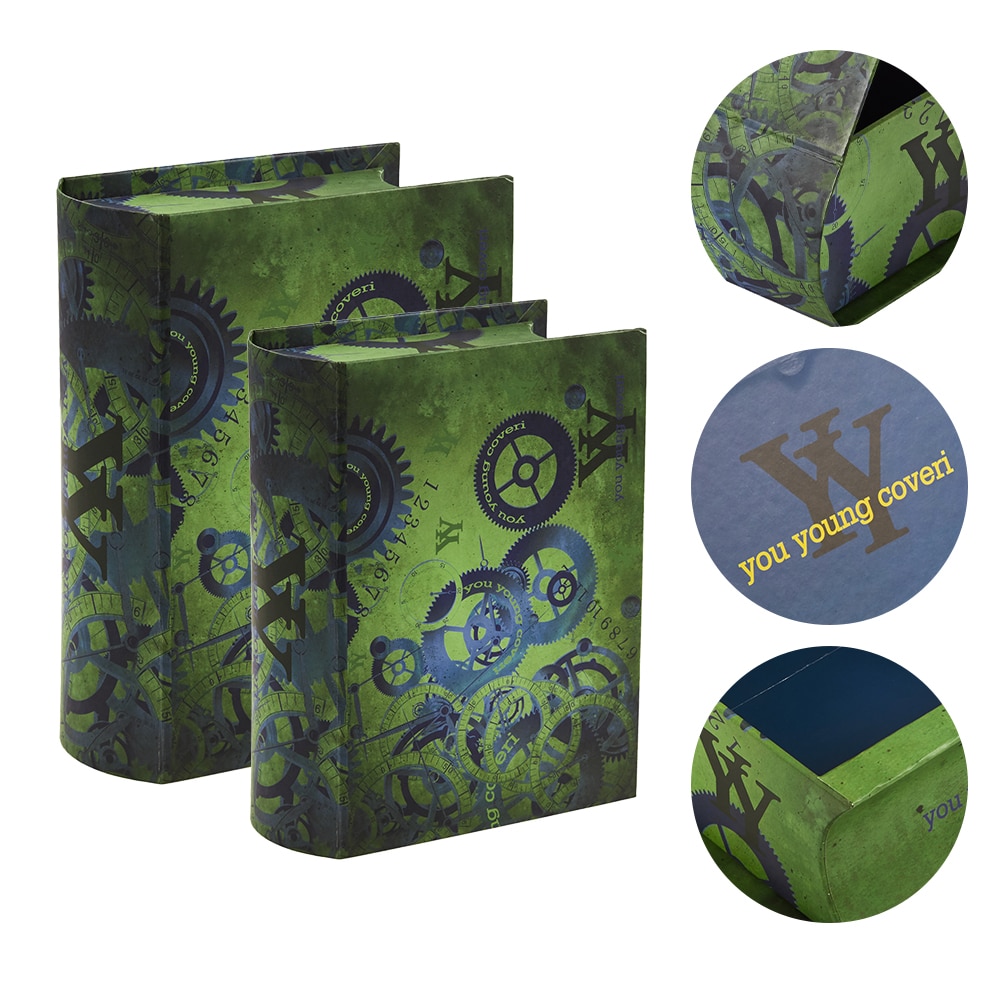
Different packaging materials have large price differences. For example, rigid boxes typically use coated paper wrapped over greyboard. When a premium appearance is required, special papers such as textured paper, metallic paper, or PU leather paper are often used. These materials are more expensive and may require special printing methods such as UV printing or foil stamping.
To control costs while maintaining quality, consider:
- Using standard coated paper instead of specialty paper
- Reducing paper thickness where possible
- Using kraft paper for inner packaging
- Replacing rigid boxes with foldable cartons when suitable
Material selection is one of the biggest factors affecting packaging cost.
3. Use CMYK Printing Instead of Spot Colors
Printing method selection also affects packaging cost. CMYK printing uses four standard printing plates, which is the most cost-efficient printing method for most packaging designs.
Pantone spot colors require additional printing plates. Each additional color increases plate cost and setup cost. For large production runs, this cost difference becomes significant.
If strict color matching is not required, using CMYK printing can reduce printing costs while maintaining excellent visual results.
4. Select Box Styles Suitable for Automation
Box structure influences production cost more than many people expect. Some rigid box styles require a large amount of manual labor, while others can be produced using automated machines.
Box styles suitable for automated production include:
- Lid and base boxes
- Book style boxes
- Drawer boxes
- Foldable magnetic boxes
Automation reduces labor cost, improves consistency, and increases production speed, which makes large-volume orders much more cost-effective.
5. Order Samples Before Mass Production
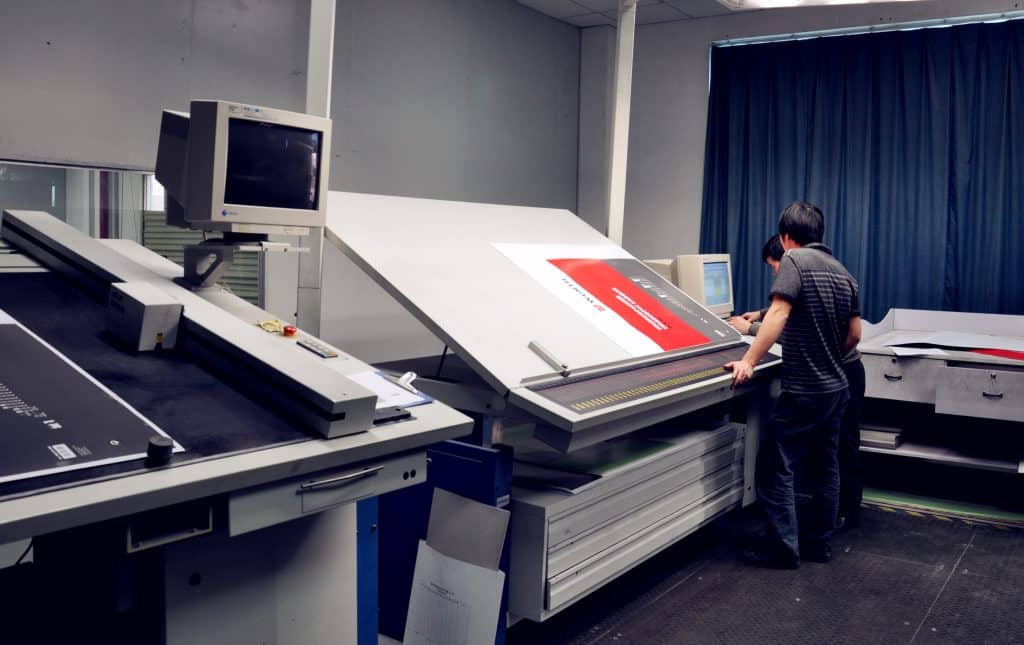
Sampling is a very important step in custom packaging production. A physical sample allows you to check structure, size, printing color, material, and finishing before mass production begins.
Skipping the sampling step may lead to problems such as incorrect size, poor color results, or structural issues. Fixing these problems after mass production starts is expensive and sometimes impossible.
Sampling helps avoid costly mistakes and ensures final packaging meets expectations.
6. Optimize Shipping Methods
Shipping cost is often overlooked when calculating packaging cost. International shipping usually includes air freight, sea freight, and rail freight depending on destination and urgency.
- Air freight – fastest but most expensive
- Sea freight – cheapest but longest transit time
- Rail + truck – balanced solution for cost and time
Choosing the right shipping method based on timeline and budget can significantly reduce total packaging cost.
7. Work With a Reliable Packaging Manufacturer
A professional packaging manufacturer can help optimize structure, materials, printing method, and logistics from the beginning of the project. This is one of the most effective ways to reduce packaging costs while maintaining high packaging quality.
Experienced manufacturers such as DHP Factory provide structural engineering support, material recommendations, cost optimization solutions, and production management to help brands achieve high-quality packaging at competitive prices.
Working with the right manufacturer can prevent design mistakes, reduce production cost, and improve packaging efficiency.
Final Thoughts
Reducing custom packaging costs is not about making packaging cheaper. It is about making packaging smarter. By optimizing packaging size, selecting appropriate materials, choosing efficient printing methods, designing structures suitable for automation, testing samples, optimizing shipping methods, and working with experienced manufacturers, businesses can significantly reduce packaging costs without lowering packaging quality.
Smart packaging design not only reduces cost but also improves logistics efficiency, sustainability, and brand presentation. In the long term, optimized packaging creates both financial and operational advantages for companies.